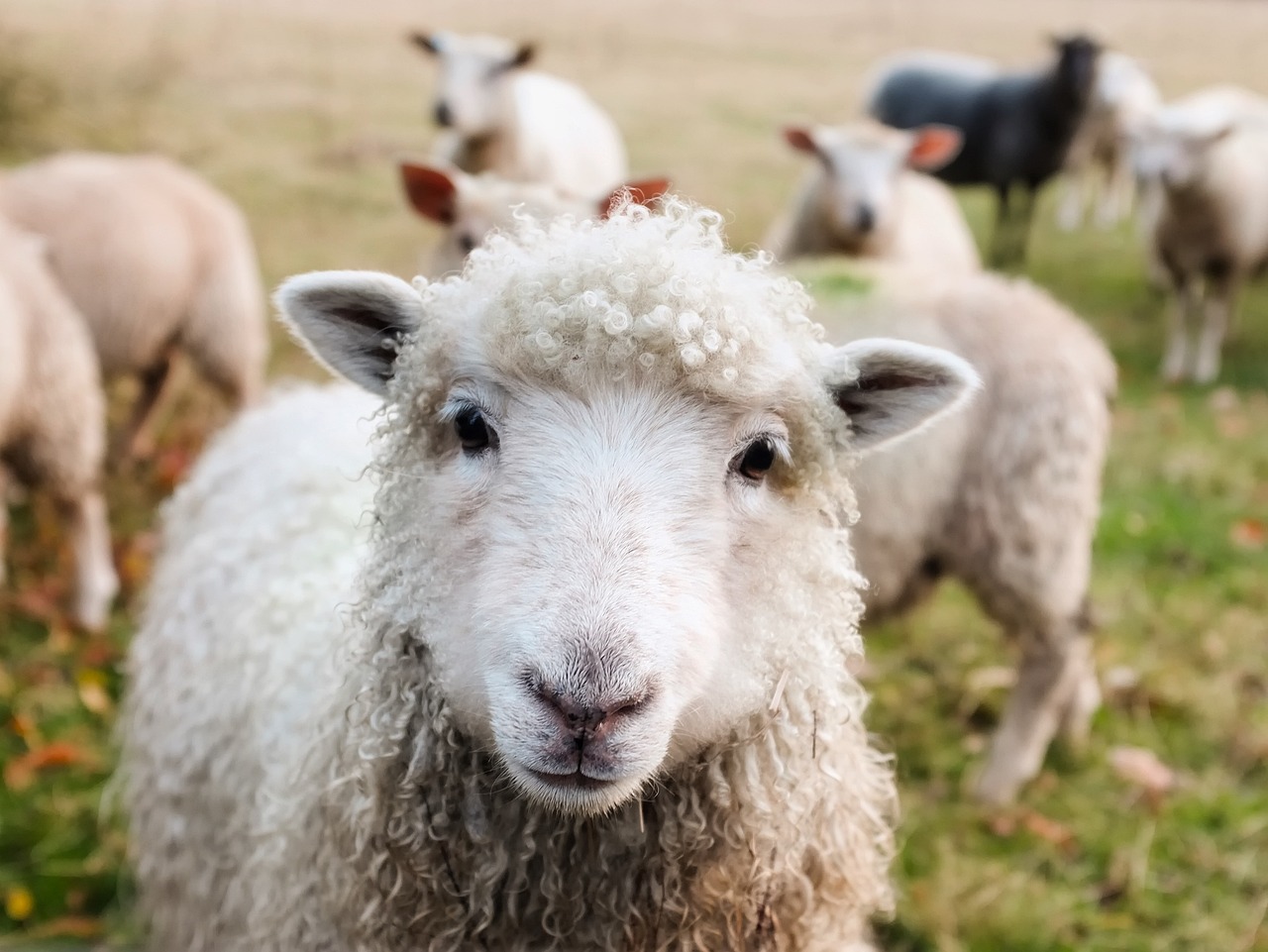
Dear reader, have you ever heard of the herd effect? It is a fascinating psychological concept that can have significant consequences in the world of investing. The herd effect refers to the tendency of people to imitate the actions and decisions of others in a group, especially in situations of uncertainty or stress. This imitation behavior can be observed in various fields, but it can have disastrous consequences in stock trading.
Investing and the Herd Effect
Think of a situation where all investors decide to buy shares of a company at the same time. For example, if some investors start buying shares en masse at a higher price, others may feel pressured to follow the same trend in order not to be left behind. This imitation behavior can lead to a rapid increase in the price of the share, creating the illusion of an excellent investment opportunity.
However, the herd effect hides a significant danger. Because the increase in stock prices is not supported by the company’s real fundamentals, it can lead to excessive overvaluation of the stock. Eventually, the market can experience a sharp correction, in which stock prices fall sharply, affecting everyone who joined the herd in an unjustified investment.
Similarly, when all investors decide to sell a company’s shares at the same time, the herd effect can lead to a rapid decline in prices. This panic behavior is often fueled by collective emotions, such as fear and anxiety, which spread quickly within the group. The result is a downward spiral in prices, which can cause significant losses for everyone involved.
Herd effect and its consequences in investing
A notorious example of the herd effect in investing was the 2008 financial crisis. Many investors entered the market based on excessive asset valuations and a collective optimistic attitude. However, when the US housing market began to collapse, investors felt pressure to sell quickly and protect themselves from losses. The result was a widespread collapse of financial markets, with a negative impact on global economies.
How can you stay away from the herd effect and cancel out its disastrous effects on your investments?
How can you avoid the herd effect and its disastrous consequences? The first step is to be aware of the influence of herd behavior and develop your own investment evaluation system. Learn to critically analyze available information and make decisions based on solid data, not just market movements or popular opinions.
It is also important to be patient and not give in to the pressure to act quickly following herd trends. Successful investments require a long-term strategic approach and a deep understanding of the market and the companies you invest in.
In conclusion, the herd effect can be extremely dangerous in investing, generating illusions and causing significant losses. By being aware of this collective behavior and developing an approach based on analysis and reason, you can avoid the pitfalls it can bring. Be an informed, independent investor and learn to manage your emotions before joining a moving herd. Your investments deserve this attention and extra effort to protect and increase your financial prosperity.
As a trader, it is not about agreeing with the markets, but understanding them and using them as such.


 ©2025 PSIHOLOGIA BANILOR - All Rights Reserved - Powered by